
December 24, 2025
Why Rally Is Different – And Why It Demands More
Why Rally Is Different – And Why It Demands More Most motorsports are built around repetition. Around precision. Around mastering the same corner over and over until the perfect lap …
Why Rally Is Different – And Why It Demands More
Most motorsports are built around repetition. Around precision. Around mastering the same corner over and over until the perfect lap is born. The environment is controlled. The grip is measurable. Every meter is predictable. And then, there is rally.
Rally is something entirely different.
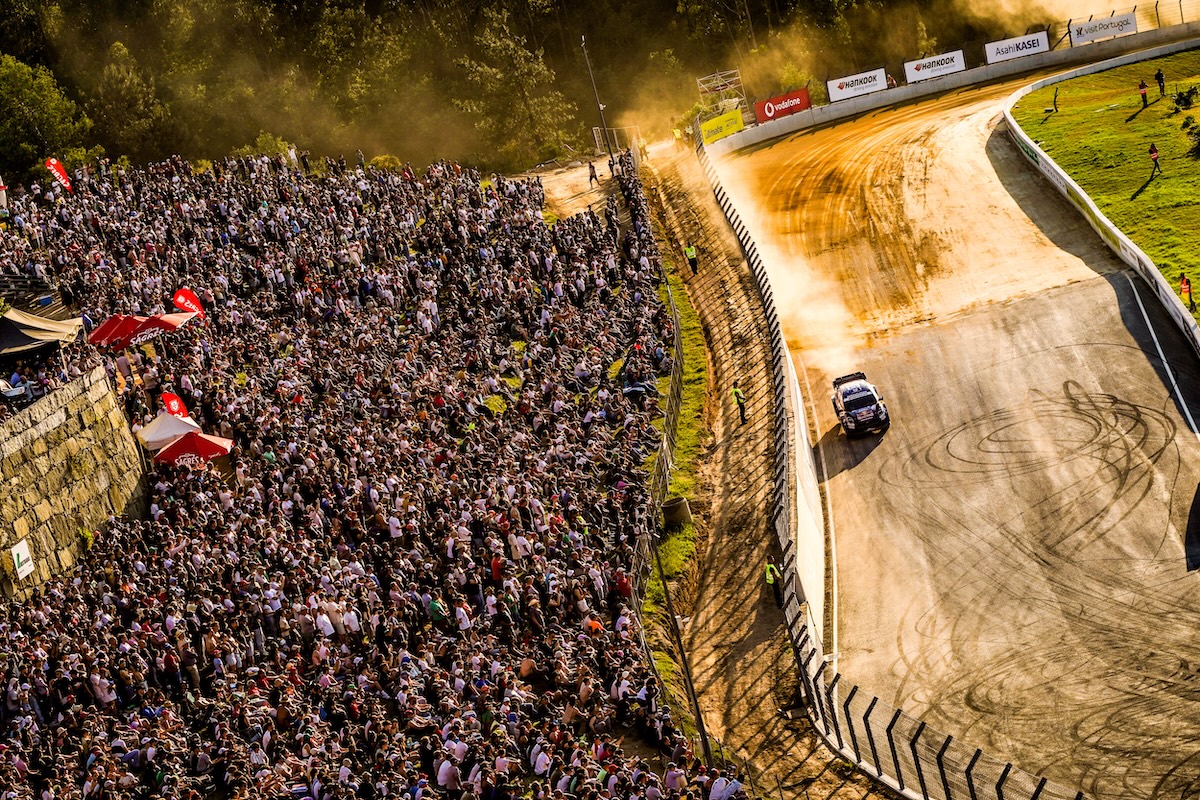
It’s not a closed circuit. It’s the real world, in all its beautiful unpredictability. A place where the surface changes by the meter, where the recce gives you a plan, but the stage gives you something else entirely. Where confidence must be paired with instinct, and instinct must be filtered through control.
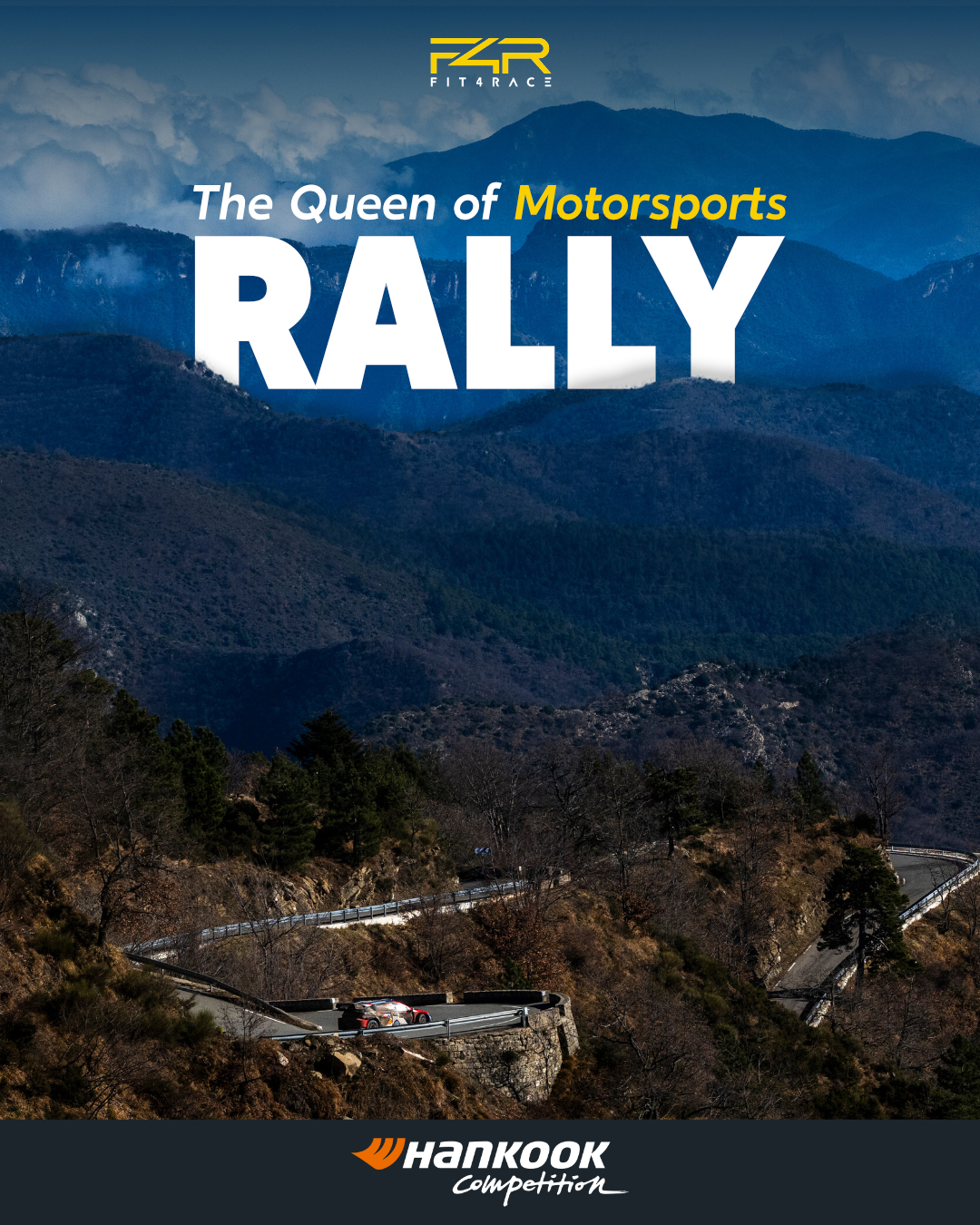
A rally driver doesn’t just execute a racing line — they improvise it. They build a mental model of what’s to come, only to adjust it in real time as the world proves them wrong. A recce note says grip, but the tyres say otherwise. A corner was dry in the morning, now it’s mud. In these moments, a rally driver must adapt — not later, not after reviewing data, but right now. And not just adapt, but do so at 150 km/h, inches from a tree, knowing that hesitation is a luxury they cannot afford.
That’s what makes rally unique. It’s not about perfection in a sterile environment — it’s about execution in uncertainty. While most motorsports reward the driver who can repeat with precision, rally rewards the one who can revise with control. This is what we call controlled reactivity: the ability to respond to rapidly changing conditions with calm, focus, and intention. Not just reacting instinctively — reacting deliberately.
And this isn’t just a trait. It’s a skill. One that can be trained.
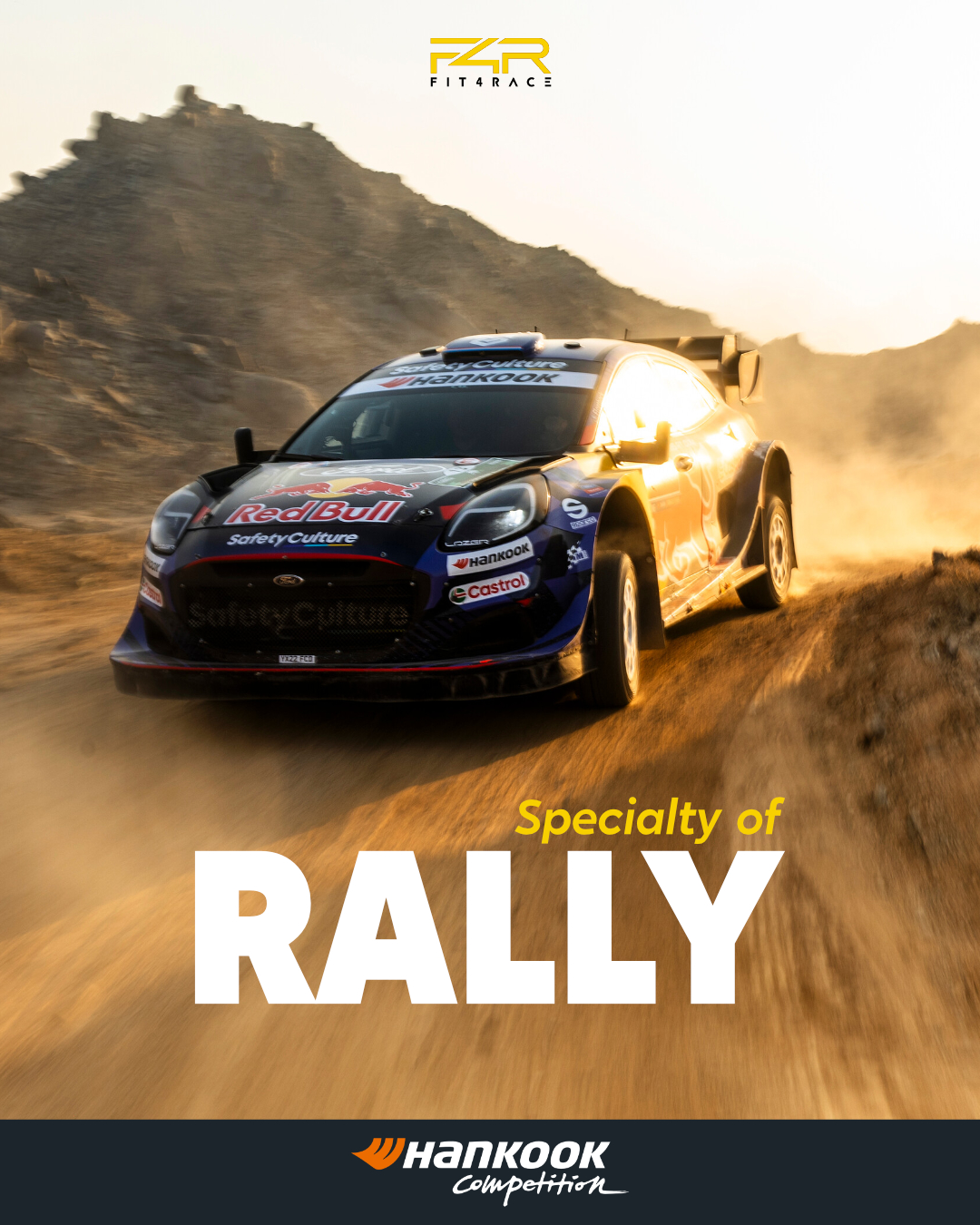
The challenges aren’t just mechanical. They are deeply cognitive. A rally driver is flooded with simultaneous input: visual information from the road, auditory input from the co-driver, proprioceptive feedback from the car and the surface. Just like any other motorsport, rally requires the integration of multiple sensory channels — and the ability to synthesize that input into immediate, decisive action. The brain becomes a processor under load, filtering signal from noise, turning intention into execution under pressure.
And all of this happens not over laps, but over days. A rally event stretches across an entire weekend — with the physical toll of constant focus, and the mental demand of repeated activation and recovery. The stages require total intensity. The liaisons demand mental reset. Again and again. The real race is not just against the clock, but against mental fatigue.
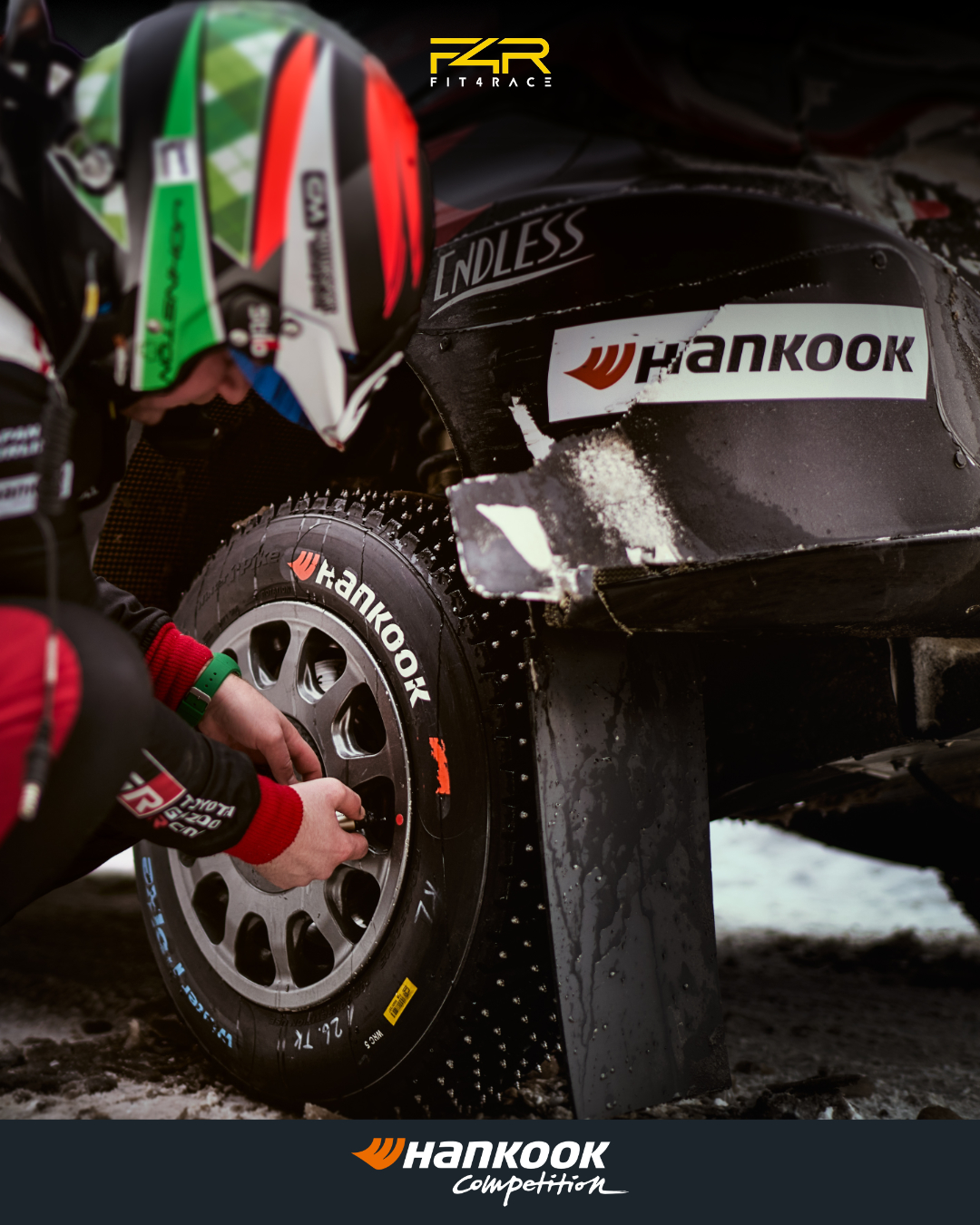
This complexity deepens further when we talk about grip — because in rally, grip is not given. It is found, felt, interpreted. The tyre is the translator between the road and the driver, and the quality of that translation is what makes or breaks performance. But understanding grip in rally isn’t about data — it’s about feel. It’s about how quickly and accurately the driver can read the information through the wheel, the seat, the motion of the car.
That’s why tyre feel is not a luxury — it’s a necessity. And it’s also why partnerships that bridge human performance and tyre technology are so valuable. In our collaboration with Hankook, we don’t just test compounds. We explore the connection between driver and surface. We focus on how to enhance proprioception, coordination, and reaction to surface feedback — because a tyre is only as good as the driver who can feel its limits and push them consciously.
And of course, rally has one more unique element: it is the only motorsport where two people share the cockpit. The co-driver is not a passenger — they are the second half of a highly synchronized cognitive system. While one pair of eyes is on the road, another voice is delivering pacenotes, predicting what’s to come. The rally driver must not only maintain control of the car but also translate external auditory input into physical execution — all within milliseconds. This level of integration is rare in sport, and it demands a different kind of training.
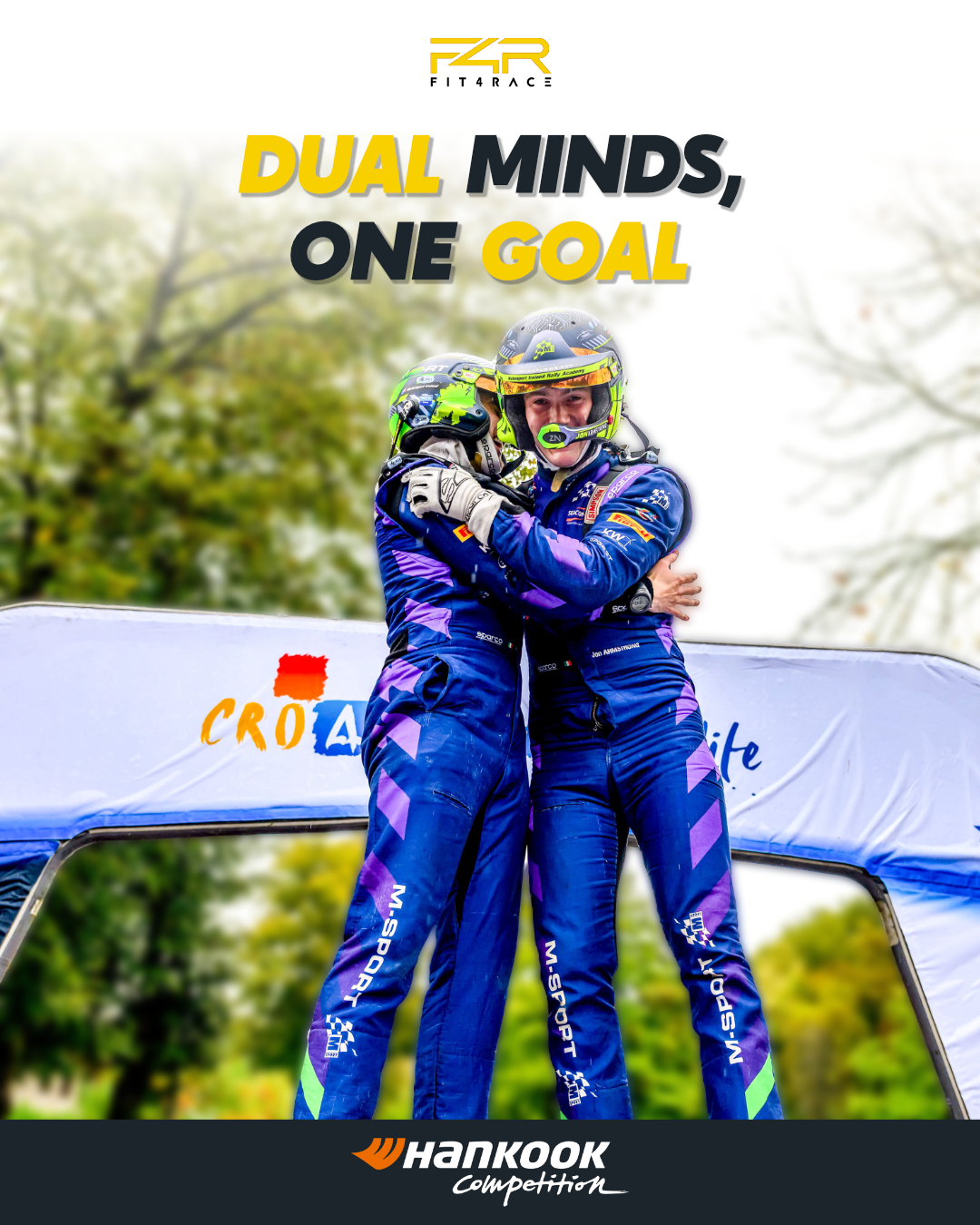
Across all of this — the unpredictability of the surface, the flood of sensory input, the need for constant recalibration — a pattern emerges. The best rally drivers aren’t the ones who are simply fast. They are the ones who are most aware. Most attuned. Most prepared for change. Not because they resist it — but because they’ve trained to work with it.
That’s what makes rally special. And that’s why rally demands more.
At Fit4Race, we’ve spent years developing the methodologies to train this kind of performance. Not just reaction, but controlled reaction. Not just focus, but regainable focus. Not just grip, but the ability to feel and use grip under stress. Together with partners like Hankook, we continue to push the boundaries between man, machine, and surface — not by eliminating unpredictability, but by preparing for it.
Because in rally, it’s not about who drives best when things go right — but who performs best when nothing goes to plan.
And those who are truly ready — don’t just survive the chaos.
They control it.